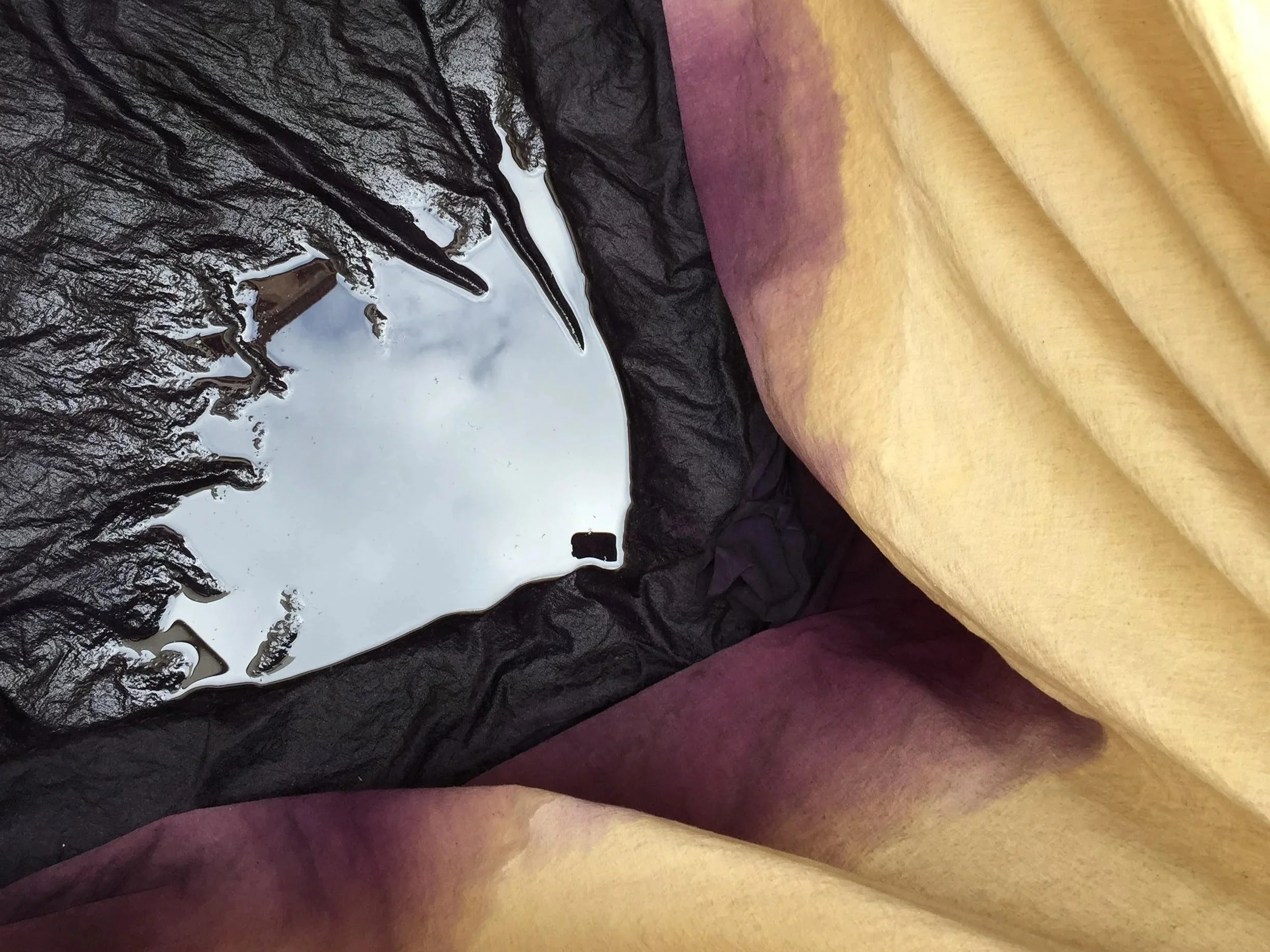
Blooming marshes / 2023 / Variable sizes
Can Oms, Mallorca
Co creation with the artist Christin Aman
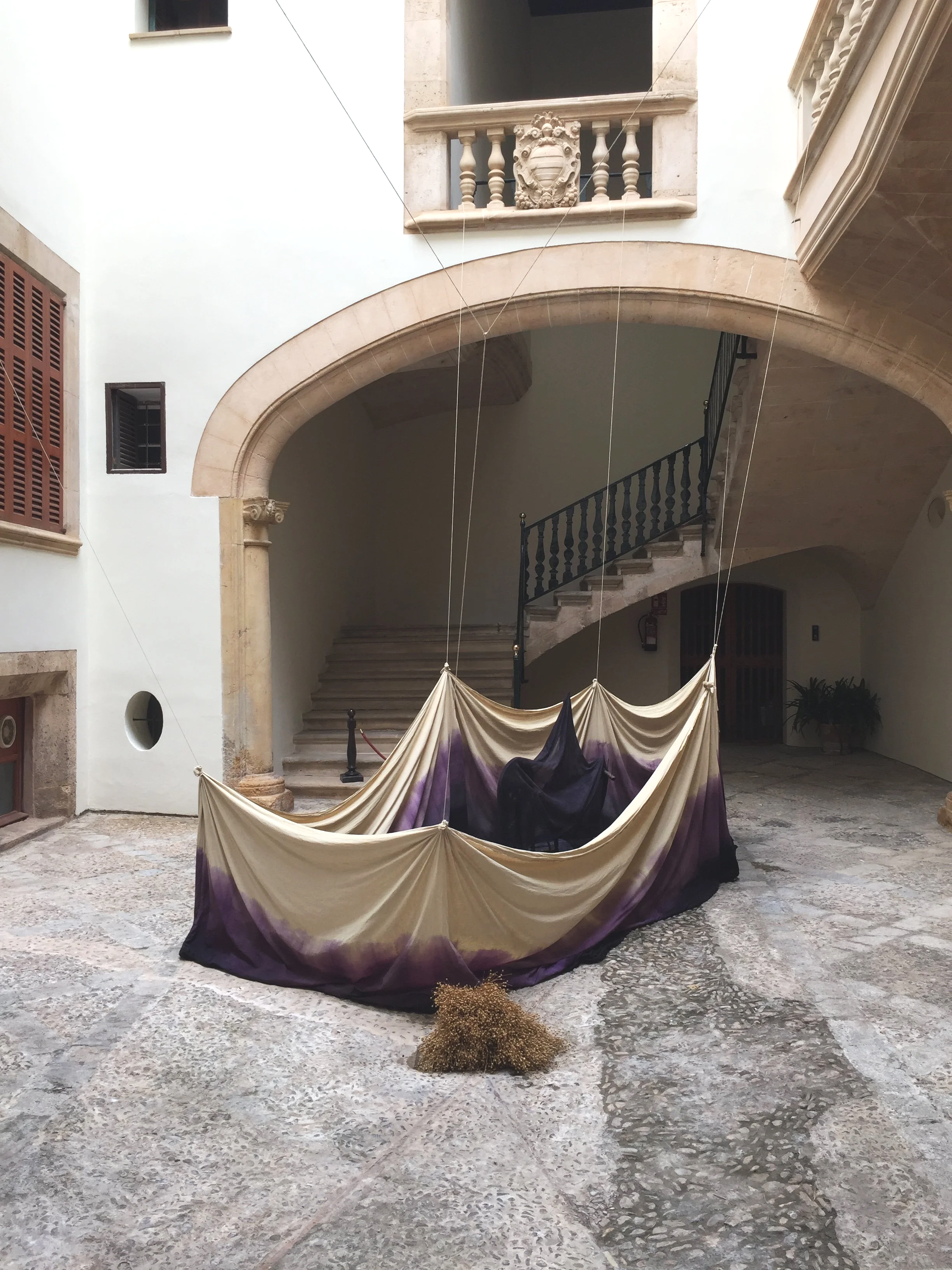
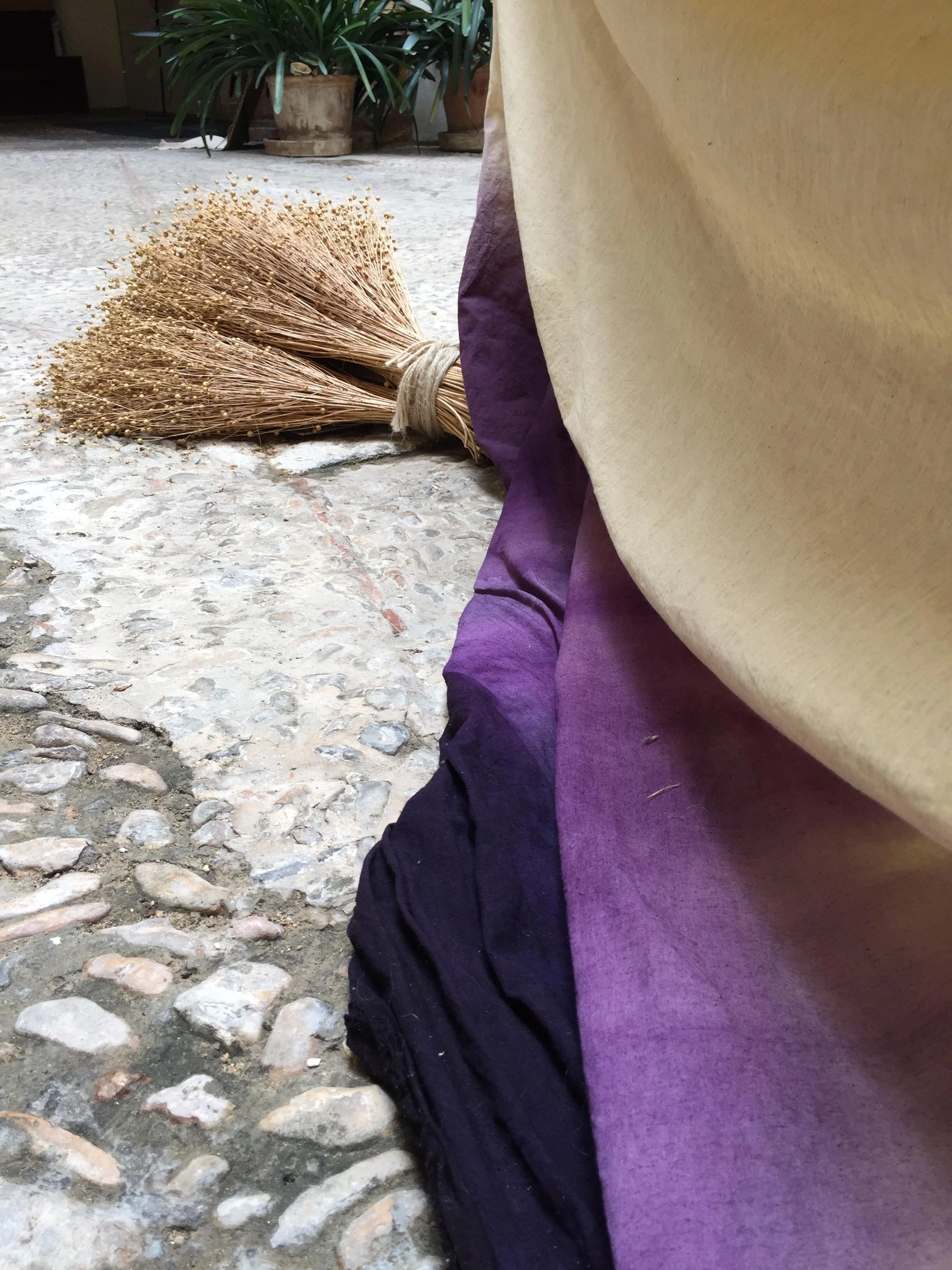
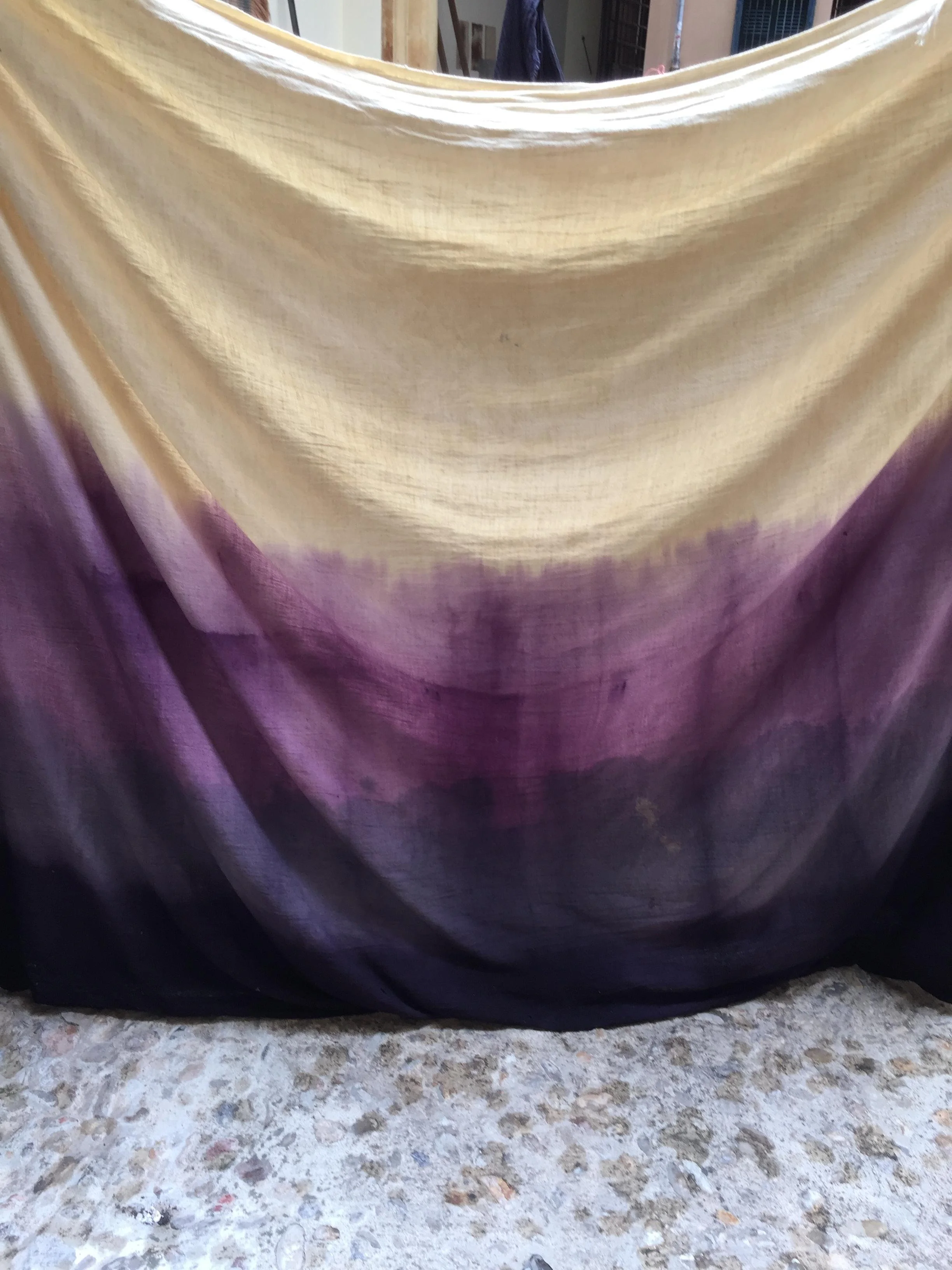
BLOOMING MARSHES
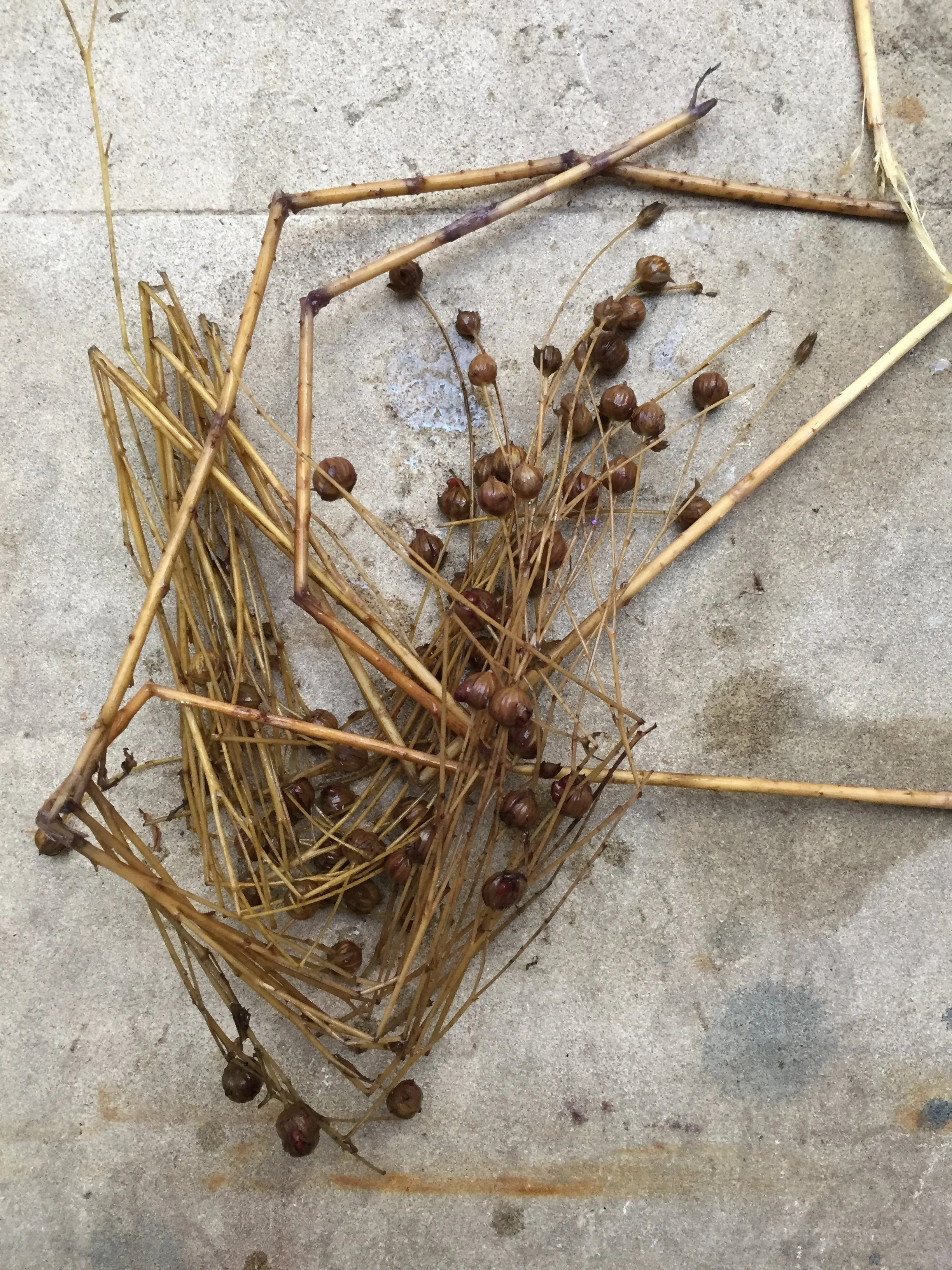
Mallorca’s history regarding the cultivation of flax and hemp has long been forgotten. Since the beginning of the 13th-century and probably way before, many villages of the island had their own Linen Weavers Guilds and the cultivation of these fibers developed into an important agriculture and economical activity. In the 17th-18th-centurythese fibers took leadership over the wool on the island; 350.000kg of hemp and 100.000kg of flax were produced only in Sa Pobla, a little village in the North of the island. It was common to find the fields of flax turning the landscape into a sea of blues and purple.
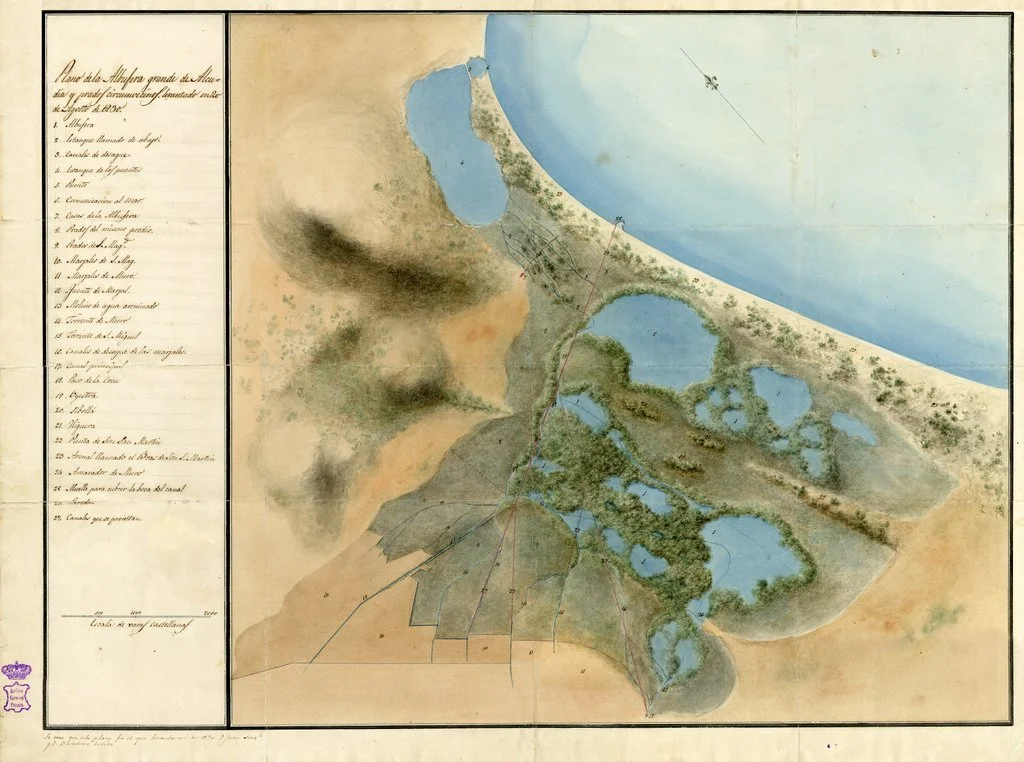
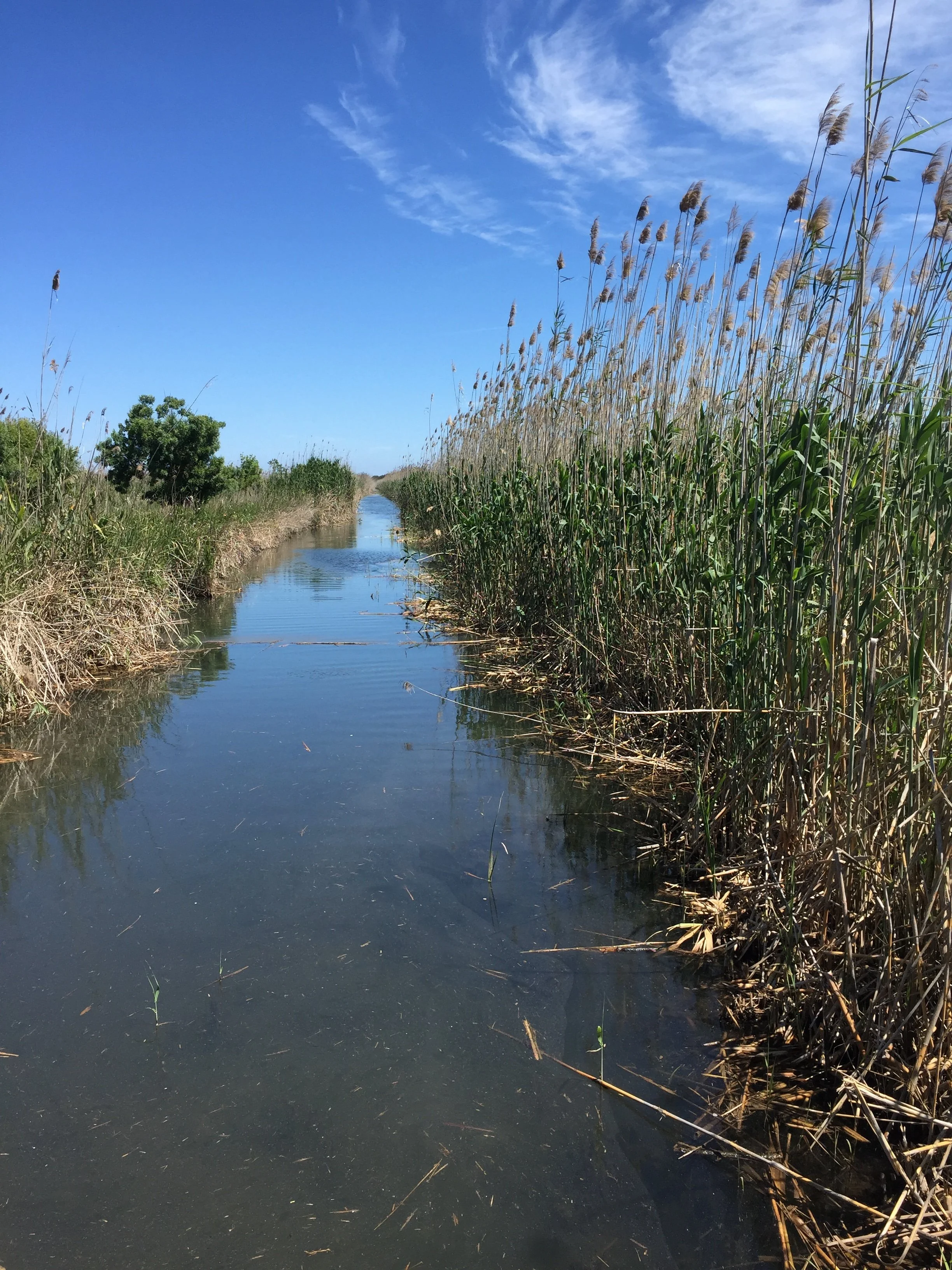
The production was so big, that chosen places on the island were established to ret the flax bundles, to prevent diseases originating from the putrefaction of the waters. One of them was S’ Amarador marsh in S’Albufera in Alcudia.
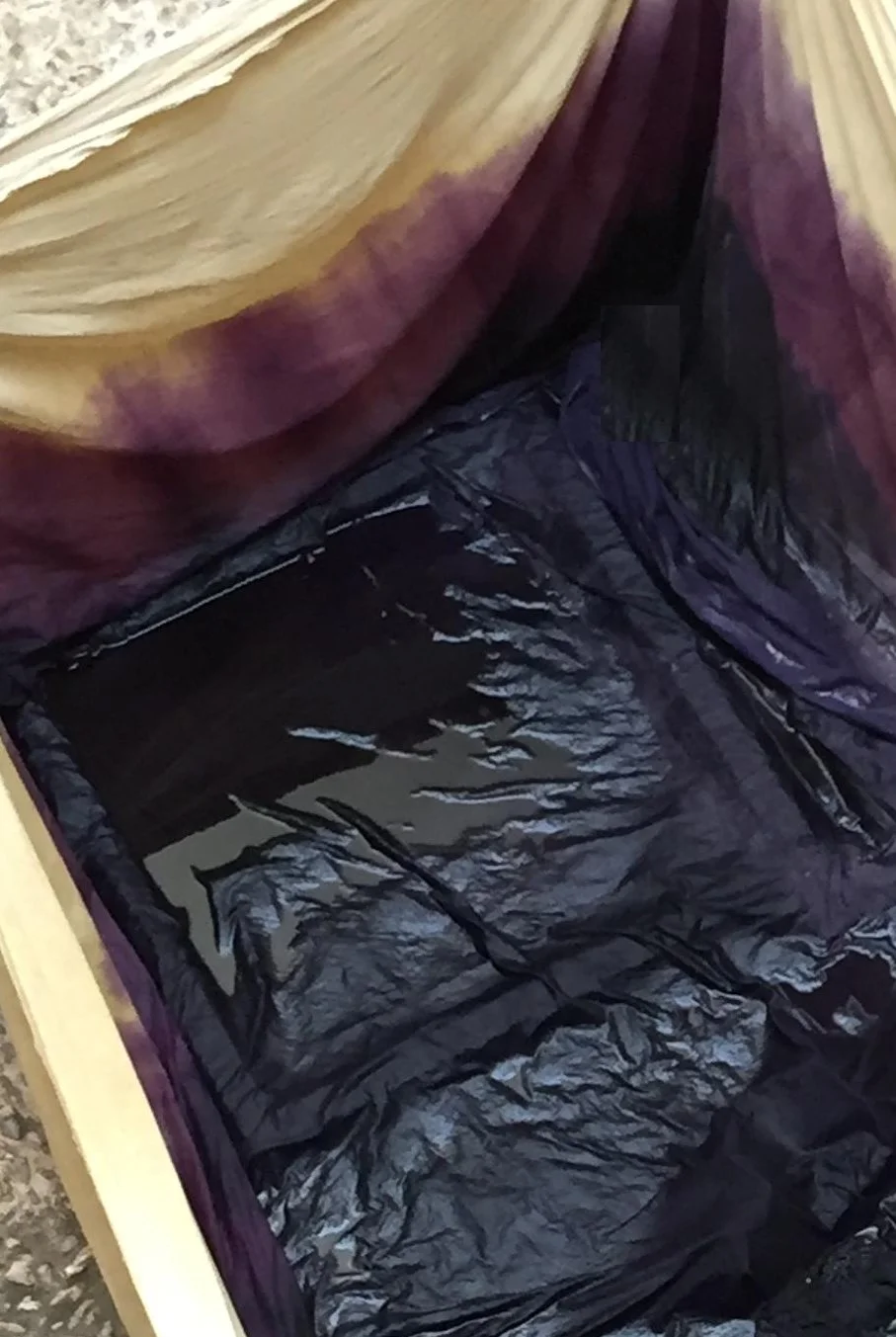
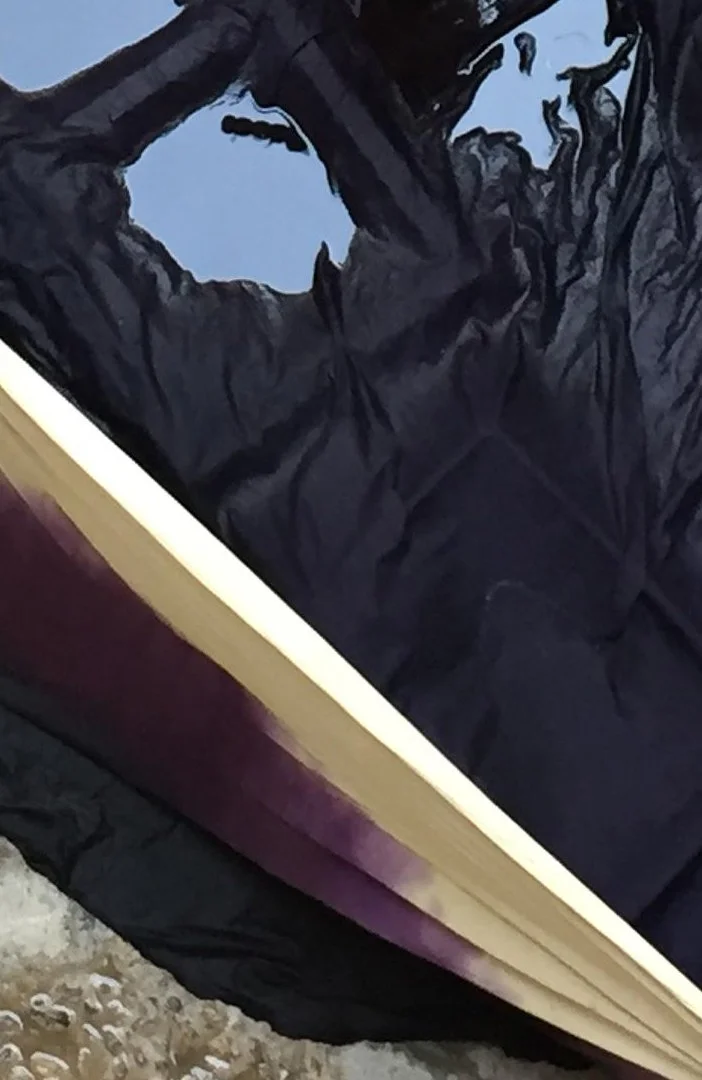
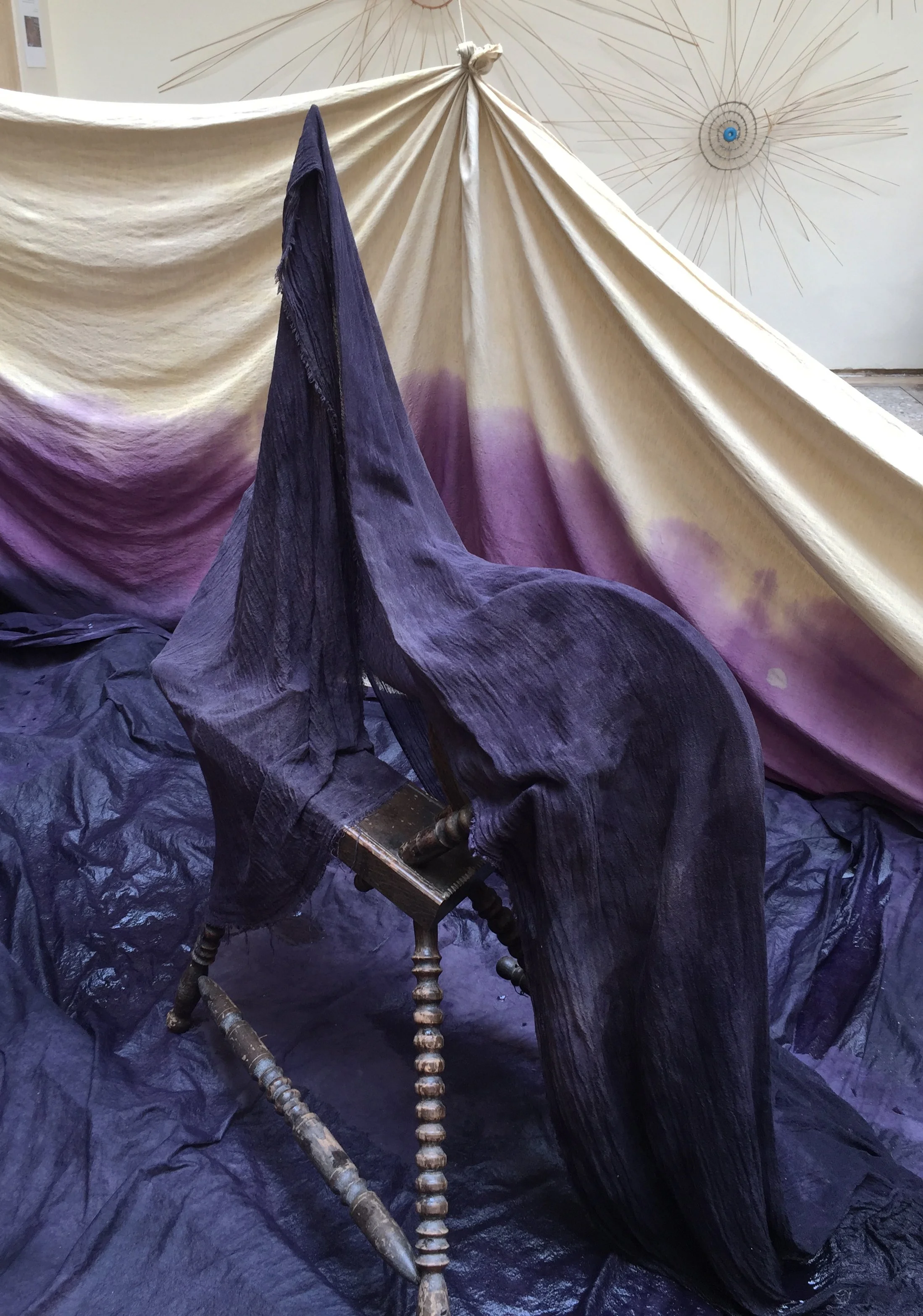
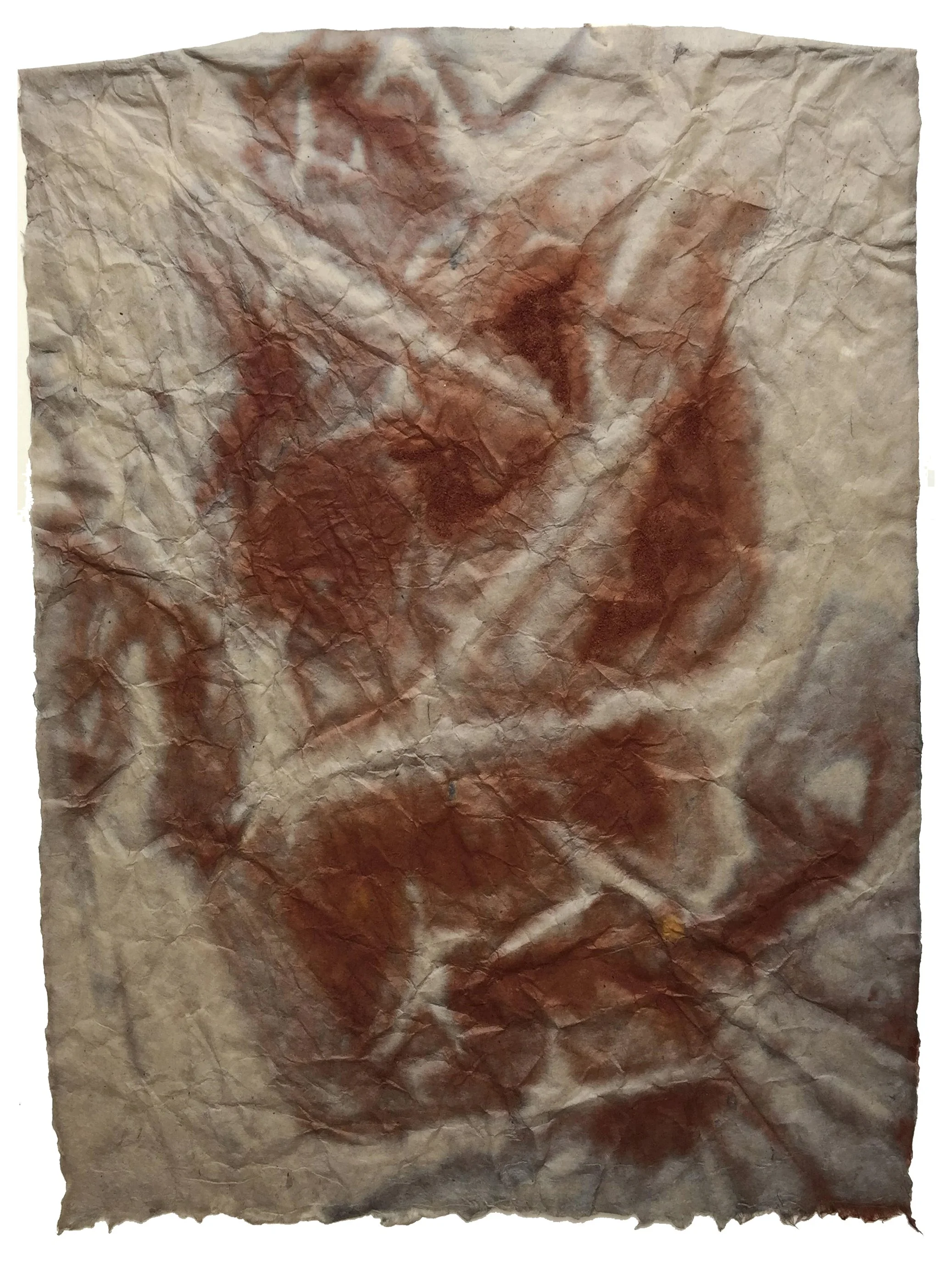
Blooming Marshes reminds us of what was and what is no longer preserved. A wetland that no longer rets bundles of flax. An old spinning wheel that now rests in the waters and will decompose, fall apart, like memories do. Sustainable practices have long been changed for progress, but it is progress itself that is drying our land, our island, it’s identity, culture, traditions and even memory.
La historia de Mallorca en lo que respecta al cultivo del lino y el cáñamo ha caído en el olvido desde hace mucho tiempo. Desde principios del siglo XIII —y probablemente mucho antes—, muchos pueblos de la isla contaban con sus propios gremios de tejedores de lino, y el cultivo de estas fibras se convirtió en una importante actividad agrícola y económica. En los siglos XVII y XVIII, estas fibras superaron en importancia a la lana en la isla y solo en Sa Pobla, un pequeño pueblo del norte de la isla, se producían 350.000kg de cáñamo y 100.000kg de lino. Era habitual encontrar campos de lino que teñían el paisaje en un mar de tonos azules y morados.
La producción era tan grande, que se habilitaron lugares específicos en la isla para el macerado de los fardos de lino en agua, con el fin de prevenir enfermedades derivadas de la putrefacción de las mismas. Uno de ellos fue el humedal de S’Amarador, en la Albufera de Alcudia.
Blooming Marshes nos recuerda lo que fue y lo que ya no se conserva. Un humedal que ya no alberga fardos de lino. Una antigua rueca que ahora yace en las aguas y que se descompondrá, se desintegrará, como los recuerdos. Las prácticas sostenibles han sido sustituidas desde hace tiempo por el progreso, pero es el propio progreso el que está secando nuestras tierras, nuestra isla, su identidad, su cultura, sus tradiciones e incluso su memoria.